The Roof Repairs, Cleanup, And Paperwork That Protect Your Asking Price And Keep Your Sale On Track
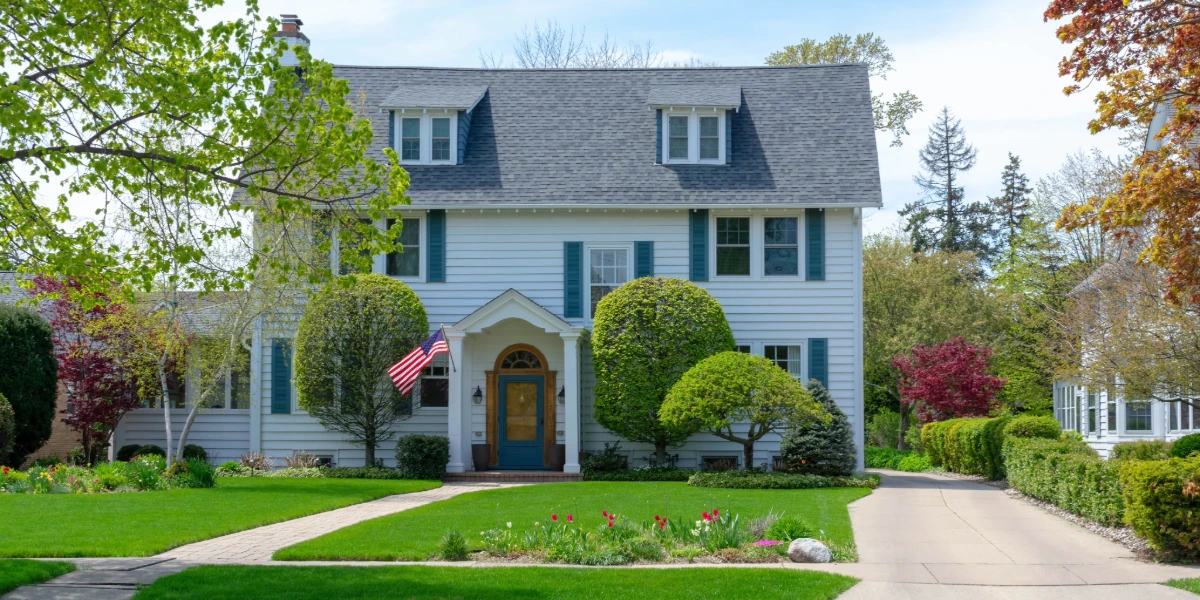
Your roof is one of the first things a buyer notices from the curb, and one of the first things a home inspector climbs on once an offer comes in. When you’re selling, the roof’s condition shapes how fast your home moves, what it appraises for, and whether the deal survives all the way to closing.
A roof in rough shape is a leverage point for buyers to negotiate a price down or walk away. A roof that’s clearly been maintained does the opposite. It signals that the expensive systems have been looked after and that confidence continues to offer strong support.
Real estate agents back this up. In the National Association of Realtors 2025 Remodeling Impact Report, 37% of agents named new roofing among the top projects they recommend sellers complete before listing, the highest-ranked project after interior painting.
Work through the following before your home hits the market. There’s a printable version of the full checklist further down that you can hand to your agent or keep on the fridge while you prep.
Start With An Honest Look From The Ground
Before you call anyone, walk your property and look up. A good pair of eyes or a zoomed-in phone camera catches a surprising amount from the yard.
Look for shingles that are missing, cracked, curling, or lifting at the edges. Check the roofline for any dip or sag, which points to trouble underneath the surface. Scan the metal around chimneys, vents, and skylights for rust or gaps. On a flat or low-slope section, look for pooling, blisters, or pulled-apart seams. If your home has cedar shakes, which are common on older houses around Vancouver and Portland, look for split, cupped, or moss-covered shakes. Buyers and their insurers pay close attention to aging wood roofs.
This ground check tells you whether you’re facing light touch-up work or something bigger. Either way, the next step is the same.
Schedule A Professional Roof Inspection
A roofing contractor’s inspection gives you the full picture, and gives it to you before a buyer’s inspector does. Knowing what’s up there ahead of time lets you shape the conversation instead of reacting to a surprise during the buyer’s inspection contingency.
A pro gets on the roof, checks what you can’t see from the ground, and looks at the parts that fail first: flashing, valleys, penetrations, and the shingles or shakes themselves. They’ll also check the attic for the moisture and ventilation problems inspectors love to flag. Booking early in your prep timeline leaves room to fix what turns up before photos and showings.
Plan Around The Northwest Wet Season
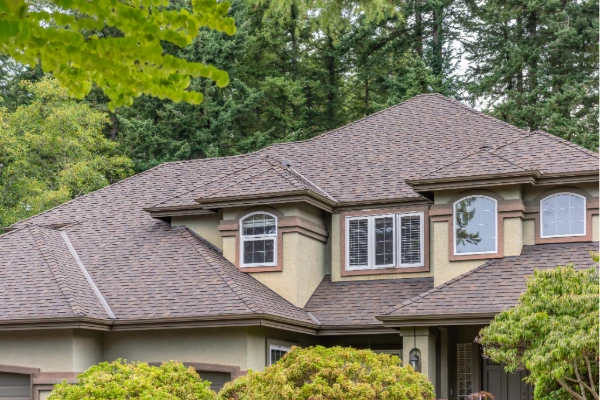
Timing matters more here than in drier markets. Roof work goes faster, hides fewer surprises, and photographs better when it happens before the heavy rains settle in. If you’re aiming for a spring listing, that means scheduling roof work in late winter rather than gambling on a dry week in a packed spring calendar.
Damp, shaded roofs also grow moss straight through the wet months, so a roof you cleaned in the fall can green up again by spring if it wasn’t treated properly. Building roof work into the front of your timeline keeps a rain delay from pushing back your listing date.
Watch For The Red Flags That Can Scare Buyers
Some roof repair issues do more damage to a sale than the repair itself costs. These are the ones worth catching early:
- Missing, cracked, or curling shingles. Even a few signals that a roof is aging or neglected.
- Granules collecting in the gutters. Asphalt shingles shed granules as they wear out, so a gutter full of them means the surface is near the end of its life.
- Damaged or rusted flashing. The metal around chimneys, skylights, and vents is where most leaks start, and it’s the first thing a buyer’s inspector checks.
- Interior stains. Brown rings on ceilings or damp spots in the attic point to a leak, and nothing sinks buyer confidence faster than a water stain.
- Sagging. Any dip in the roofline suggests a structural or decking problem that a buyer will not want to inherit.
Deal With Moss And Buildup
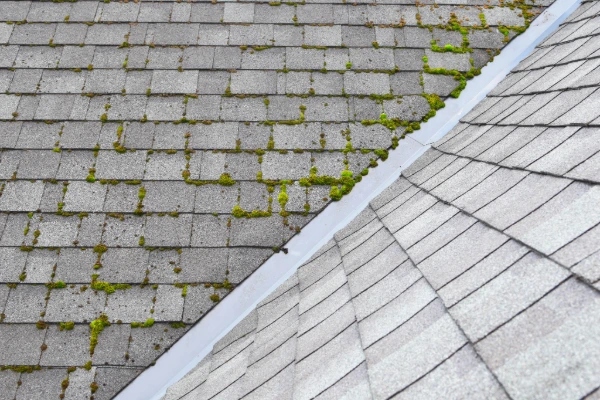
A green, moss-covered roof reads as neglected in listing photos, even when the roof underneath is sound. Left alone, moss lifts shingles and traps moisture against the surface, which shortens the life of the roof and shows up on inspection.
Clearing moss, debris, and organic buildup before you list does two jobs at once. It makes the roof photograph like a maintained home, and it takes away an easy talking point for a buyer trying to chip at your price. While you’re at it, clean the gutters so water moves off the roof the way it should. If your gutters are old or failing, upgrading to seamless gutters is a small improvement that protects the roof and sharpens the look from the street.
Fix The Small Stuff Before It Becomes A Negotiation
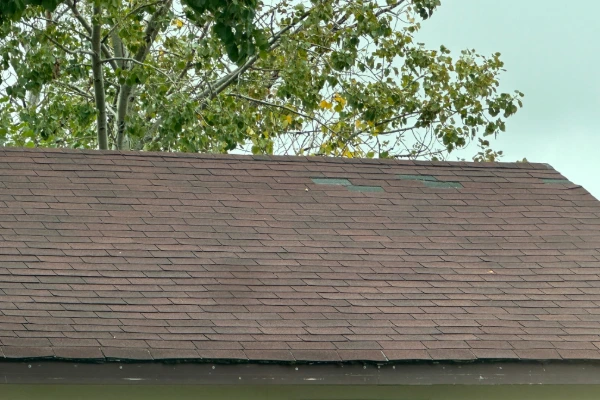
Minor roof problems have a way of turning into major price concessions once they show up on an inspection report. A buyer who reads “roof repairs needed” in writing tends to ask for far more than the repair actually costs, or requests a full replacement credit out of caution.
Handling the small items ahead of time keeps that leverage on your side of the table. Replace missing or damaged shingles, reseal worn flashing, and take care of any minor leaks before they stain a ceiling. These repairs are quick and affordable compared to what they can cost you once a buyer is holding the report.
Know When It’s Repair Versus Replacement
Not every pre-listing roof needs to be replaced, and you shouldn’t spend money you don’t have to. The right call comes down to age, material, and how widespread the wear is.
Shingle roofing systems generally last around 25 years, while metal and cedar can go longer with good care. If your roof is younger and the damage sits in one area, a targeted repair is usually the smart move. If the roof is near the end of its life, shows damage across large sections, or has already been patched several times, a roof replacement can be the better investment. A new roof is a genuine selling point, and buyers relying on financing sometimes need the roof in solid shape for the loan to close at all.
If a replacement makes sense but the timing before listing feels tight, financing can spread the cost so the work gets done before your home goes live. Cherry Roofing offers financing through Synchrony Bank® for exactly these situations.
Check Ventilation And The Attic
Buyers’ inspectors spend real time in the attic, so you should too. Poor ventilation traps heat and moisture, which leads to mold, ruined insulation, and a roof that ages faster from the inside out. Warning signs include a musty smell, damp insulation, frost or condensation appearing on the underside of the roof deck, and rusty nail tips poking through.
Correcting ventilation before you list protects the roof and heads off one of the more common inspection findings that makes buyers pause.
Gather Your Paperwork
Documentation turns “the roof looks fine” into “the roof has been maintained, and here’s the proof.” Pull together whatever you have. Manufacturer warranties from names like CertainTeed®, IKO®, and Malarkey® are often transferable to the new owner, and a transferable warranty is a real asset in a listing. Having the folder ready reassures buyers and gives your agent a stronger story to tell.
Handle Your Washington Disclosure Honestly
Washington sellers complete a Real Property Transfer Disclosure Statement, commonly called Form 17, and the roof has its own line on it. Trying to bury a known leak or a failing roof tends to backfire. The problem usually surfaces during inspection anyway, and when it does, buyer trust and the deal go with it.
The stronger play is to repair the issue, document the work, and disclose it plainly. A roof that had a problem and was properly fixed is far easier to sell than one hiding a surprise. Confirm the specifics with your real estate agent, since they’ll know exactly how your Form 17 should read.
The Pre-listing Roof Checklist
Here’s the whole thing in one place. Share it with your agent, or work your way down it as you go.
Look From The Ground
- Missing, cracked, curling, or lifting shingles
- Dips or sagging in the roofline
- Rust, gaps, or lifting metal around chimneys, vents, and skylights
- Split, cupped, or moss-covered cedar shakes
- Pooling or blistering on flat and low-slope sections
- Moss, algae, or debris across the surface
Check Inside
- Brown stains or rings on ceilings
- Damp spots, musty smell, or daylight in the attic
- Frost, condensation, or rusty nail tips on the underside of the deck
- Wet or damaged insulation
Handle The Work
- Schedule a roofing contractor’s inspection
- Clear moss, debris, and clean the gutters
- Replace missing shingles and reseal worn flashing
- Repair any active leaks
- Correct attic ventilation problems
- Decide on repair versus replacement with your contractor
- Schedule the work before the wet season and before listing photos
Gather The Paperwork
- Past repair and maintenance receipts
- Manufacturer warranty documents
- Contractor workmanship warranty
- Permits for major roof work
- Recent roof inspection report
- Roof condition noted accurately on your Form 17
A Maintained Roof Sells The Whole House
You don’t have to make your roof perfect to sell your home. You want it clean, honestly represented, and clear of the obvious issues that make buyers hesitate. Working through this checklist before the sign goes up puts you ahead of the inspection, protects your asking price, and lets buyers focus on picturing their life under that roof instead of worrying about what it might cost them.
Cherry Roofing has repaired, maintained, and replaced roofs across Vancouver, WA, the surrounding communities, and the Portland metro area since 2005. If you’re getting a home ready to list and want a clear read on where the roof stands, reach out to schedule an inspection. Our team answers 24 hours a day, and our team can walk you through what needs attention before you go to market.