Your Guide To Choosing The Right Roof For Your Home
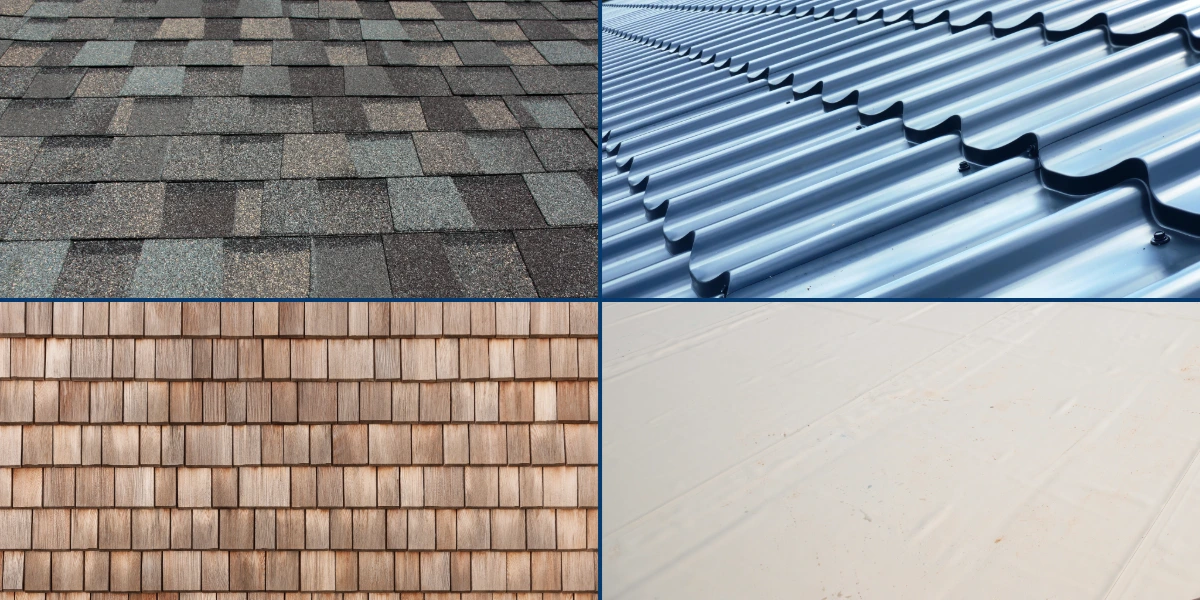
Your roof does more than keep the rain out. It’s one of the largest visible surfaces on your house, so it shapes how the whole place looks from the street — and it’s a big part of what protects everything underneath. When people start thinking about a roof replacement, the first real decision usually isn’t the contractor. It’s the material.
The trouble is that most homeowners only replace a roof once or twice in their lives, so the choices aren’t familiar in the way picking paint or flooring might be. The terms get thrown around — architectural shingle, standing seam, TPO, cedar shake — without much explanation of what they actually mean for your house or your wallet.
Asphalt Shingles
Asphalt is the most common roofing material in the country, and for good reason. It’s affordable, it comes in just about every color, and a quality shingle holds up well in the wet Pacific Northwest. For most homes, it’s the sensible default — and that’s not a knock. Sometimes the popular choice is popular because it works.
The Main Types of Asphalt Shingles
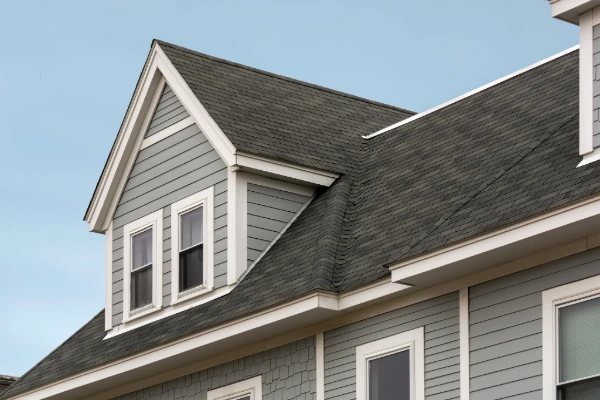
Three-tab shingles are the flat, uniform option and the lowest cost. They’re thin, they lie flat, and from the street they read as a single even surface. Architectural (or dimensional) shingles are thicker and built up in layers, which gives the roof depth and shadow lines. They cost more, but they look noticeably better and tend to last longer. For most replacements we steer homeowners toward architectural shingles — the jump in quality is worth the modest jump in price. Above those sit luxury (or designer) shingles — thicker still, with even more dimension, built to last longer and to actually stand out. Lines like CertainTeed Presidential, Malarkey Windsor, and IKO Armourshake turn the roof into a feature rather than just a cover.
We install lines from CertainTeed, GAF, Owens Corning, Malarkey, IKO, and Pabco. As certified installers for IKO, Malarkey, Pabco, and CertainTeed, we can offer exclusive manufacturer warranties that most contractors can’t.
Lifespan
A good architectural asphalt roof generally lasts 20 to 30 years in our climate, depending on the product, the slope, and how well it’s maintained. Three-tab roofs sit at the lower end of that range.
Upkeep
Low. The main enemy here is moss, which loves our damp, shaded roofs. Keeping branches trimmed back, the roof clear of debris, and the moss in check goes a long way. Many architectural shingles also come with algae-resistant granules that slow the green streaking you see on older roofs.
The Trade-Off
At the three-tab end, asphalt is a practical material rather than a showpiece, and it won’t last as long as metal or develop the character of cedar.
Step up to architectural or luxury shingles, though, and it holds its own on looks while still costing less than metal or cedar. Across the board it does its job, looks clean, and doesn’t stretch the budget.
Best For:
Most homes, tighter budgets, and anyone who wants proven performance without a premium price.
Metal
Metal has been a fixture on homes — especially farmhouses and rural properties — for generations, and it’s earned its reputation. A metal roof can last 40 to 70 years, sheds rain and debris easily, and asks for very little upkeep once it’s on. If asphalt is the practical default, metal is the long-game investment.
The main types.
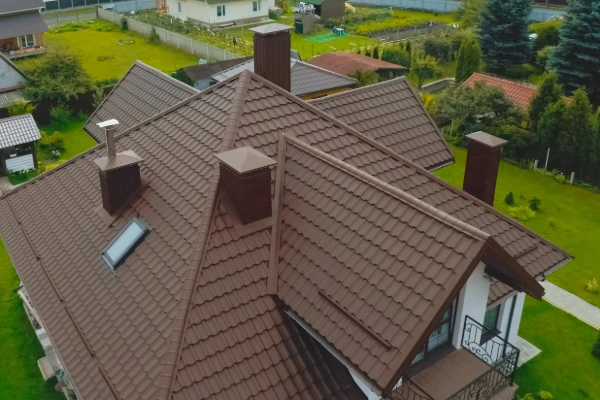
Standing seam is the premium option: long vertical panels with raised, interlocking seams and no exposed fasteners. Its clean lines have made it popular on modern homes because it reads as simple and intentional. Corrugated and ribbed panels have exposed fasteners, cost less, and carry a more agricultural, traditional look that suits a classic farmhouse. There are also metal shingles and tiles made to mimic the look of slate or wood while keeping metal’s durability.
Lifespan.
This is metal’s headline. Where asphalt is measured in decades, a quality metal roof can outlast the time most people own their home. For many homeowners it’s genuinely the last roof they’ll buy.
Upkeep.
Very low. Metal doesn’t grow moss the way shingles and wood can, it sheds debris on its own, and it stands up to our damp climate without much fuss. The occasional check on fasteners and flashing is about the extent of it.
A couple of myths.
People worry metal roofs are loud in the rain — with proper decking and underlayment beneath them, they’re no louder than any other roof. They also won’t attract lightning or rust out the way old barn roofs did; modern coatings are built for the long haul.
The way it ages.
Over the years the finish weathers into a patina that adds to a home’s lived-in character, settling in alongside wood siding and other natural materials rather than fighting them. That’s part of why metal roofing in Vancouver, WA looks fitting.
The trade-off.
Cost. Metal runs meaningfully more than asphalt up front. But if you’re staying in the house long-term, the lifespan often makes up the difference — you’re buying one metal roof instead of two or three asphalt ones.
Best for:
Long-term homeowners, farmhouses and modern styles, and anyone who wants to install once and forget about it.
Cedar Shakes
Cedar is the most natural-looking of the bunch. On the right home it gives a warmth that manufactured materials can’t quite copy. There’s a reason cedar presents as honest and timeless: it’s real wood, and it ages like it.
Shakes versus shingles.
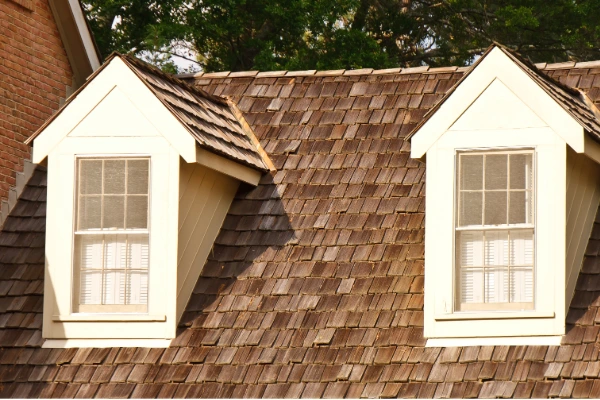
Cedar shakes have a rough, textured surface that throws shadows and gives the roof a rugged look. Sawn shingles are cut smooth on both sides, so they lie more uniformly for a tailored appearance. Both are cedar; the difference is texture and how rustic you want it to feel.
Lifespan.
A well-maintained cedar roof can last 30 years or more, and it grays beautifully as it weathers. The key words there are well-maintained — cedar’s lifespan is more dependent on care than any other material here.
Upkeep.
This is the honest catch. Wood needs more attention than asphalt or metal, and in a wet, shaded climate it has to be cleaned and treated to hold off moss, mildew, and rot. Skip the maintenance and a cedar roof will fail early; stay on top of it and it rewards you. Most cedar today can also be treated for fire resistance, which is worth asking about.
A Reality Check
Before you set your heart on cedar, know that a growing number of jurisdictions no longer permit new wood-shake roofs because wood is combustible — treated or not, it’s still wood. Even where it’s allowed, insurers increasingly charge a premium for the fire risk, and that added cost adds up year after year. For a lot of homeowners, that’s reason enough to look at synthetic alternatives.
The trade-off.
Higher cost than asphalt and real ongoing maintenance. Cedar is for homeowners who want authentic wood character and accept the upkeep that comes with it.
Best for:
Traditional and craftsman homes where genuine wood character is the whole point.
Synthetic Shakes
If you love the look of cedar but not the upkeep, the fire concerns, or the insurance bills, synthetic shakes are worth a serious look. Products like Brava and DaVinci are engineered from polymer composites molded from real wood shakes, so they capture the rough, hand-split texture of cedar — often closely enough that you’d have to climb up and touch the roof to tell the difference.
Why Homeowners Choose Synthetic
The best synthetic shakes carry a Class A fire rating, the highest there is, which clears the regulatory and insurance hurdles that real cedar runs into. Beyond fire, they fix cedar’s weak spots across the board:
- Much less maintenance — no regular cleaning or treating to stay ahead of rot and moss.
- A Class A fire rating on the top-tier products, where cedar is combustible no matter how it’s treated.
- They don’t rot, warp, or split the way wood eventually does.
- The color holds instead of graying out, so the roof looks intentional for decades.
- Many are recyclable at the end of their long life.
The Trade Off
Synthetic shakes cost more up front than asphalt and sit in the same premium range as cedar or metal. They’re also not actual wood, if true material authenticity is the whole point for you. For most people, though, getting the cedar look with a fraction of the upkeep and none of the fire worry is an easy call.
Best For:
Farmhouses and craftsman homes that want the cedar look, and anywhere wood shakes are restricted or simply too much to keep up with.
Flat Membrane Roofing
Not every roof is sloped. Modern homes, additions, garages, and most commercial buildings have flat or low-slope sections that need a different approach entirely. Shingles, metal panels, and shakes all rely on gravity pulling water down a slope — on a flat roof, water sits, and any gap becomes a leak. Membrane roofing solves that with a continuous waterproof surface.
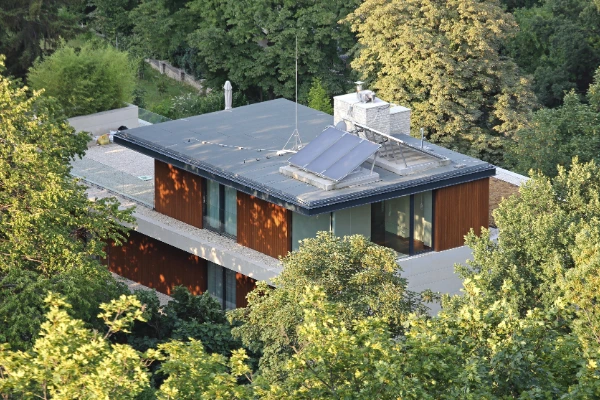
The main types.
- TPO and PVC are single-ply membranes, usually light-colored, that reflect heat and have become the go-to for many low-slope jobs — the two look and behave similarly enough that the same description fits both.
- EPDM is a durable rubber membrane, typically dark, that’s been proven over decades.
- Modified bitumen is an asphalt-based system applied in layered sheets, and self-adhered (SA) membranes peel and stick into place without open flame or hot asphalt.
Each one lays down as a sealed surface designed to keep standing water out, which is the entire challenge on a flat roof.
Lifespan.
This varies more than any other material here — anywhere from about 10 to 50 years, depending on which membrane you choose and how the system is assembled. The biggest factor is installation quality — a flat roof lives or dies by how carefully the seams and flashings are done.
Upkeep.
Periodic inspection of seams, flashings, and drains. Because there’s no slope to clear debris, keeping the surface and drains clear matters more than on a pitched roof.
Best for:
Flat or low-slope roofs, modern architecture, additions, garages, and commercial buildings.
Side-by-Side Comparison
Here’s how the materials stack up at a glance. Cost is shown relative to the others rather than in exact dollars, since pricing depends on your roof’s size, slope, and complexity.
|
Material |
Typical lifespan |
Relative cost |
Upkeep |
Best-fit styles |
|
Asphalt shingles |
20–30 years |
$ |
Low |
Almost any home |
|
Metal |
40–70 years |
$$$ |
Very low |
Farmhouse, modern, rural |
|
Cedar shakes |
30+ years (with care) |
$$$$ |
High |
Traditional, craftsman, cabin |
|
Synthetic Shakes |
50+ Years |
$$$ |
Very Low |
Farmhouse, craftsman, fire prone areas |
|
Flat membrane |
20–30 years |
$$ |
Periodic |
Modern, additions, commercial |
How to Choose the Right One
There’s no single best roofing material — only the best one for your house. A few questions cut through the noise:
- How long are you staying? If it’s your forever home, metal or cedar can be worth the higher up-front cost because you’ll get the full lifespan out of them. If you might move within a decade, quality architectural asphalt shingles make more financial sense.
- What’s the style of your home? The roof should belong to the house. Farmhouses and modern homes often suit metal; traditional and craftsman homes wear cedar well; asphalt fits almost anything, which is part of the reason why it’s everywhere.
- What’s the slope? Sloped roofs take shingles, metal, or shakes. Flat and low-slope sections need a membrane — there’s no getting around that one.
- How much upkeep do you want? Metal and asphalt are largely set-and-forget. Cedar asks for steady attention. Be honest with yourself about how much maintenance you’ll actually do.
- What’s the budget — up front and over time? Asphalt is the most affordable to install, cedar and metal cost more, and a longer-lasting material can be cheaper over 40 years even when it’s pricier today. Financing can spread the difference out so the better long-term choice isn’t out of reach.
Your roof is a real part of your home’s curb appeal and its long-term value, so it’s worth getting the choice right rather than defaulting to whatever was there before. A roof that fits the style of the house can lift the look of the whole property; one that fights it stands out for the wrong reasons.
A Word on Roof Replacement
Whatever material you land on, a roof is only as good as its installation. The best shingle in the country will leak if the flashing is wrong, and a flat membrane is entirely dependent on clean, careful seams. Material gets most of the attention, but workmanship is what keeps the water out for the next 30 years. When you compare quotes, you’re not just comparing products — you’re comparing the crews who install them.
It’s also worth thinking about everything that lives under the surface: the decking, underlayment, ventilation, and flashing. A proper roof replacement is the right time to address any of those items that need attention, since they’re hard to get to once the new roof is on.
Talk It Through With Your Local Roofer
We’ve been working on roofs around Vancouver, Washington and the greater Portland area since 2005, and we’ll give you a straight answer about which material actually fits your home and budget — not just the most expensive option. We work in asphalt shingles, metal, cedar shakes, and flat membrane, on both residential and commercial buildings, so we’re not steering you toward the one product we happen to sell.
Whether you’re planning a full roof replacement, a roof repair, or a brand-new build, we’re happy to walk the options with you. We also offer financing through Synchrony Bank to help make the project work for your budget.
Reach out to schedule an inspection, and we’ll help you figure out the right roof for your house.